


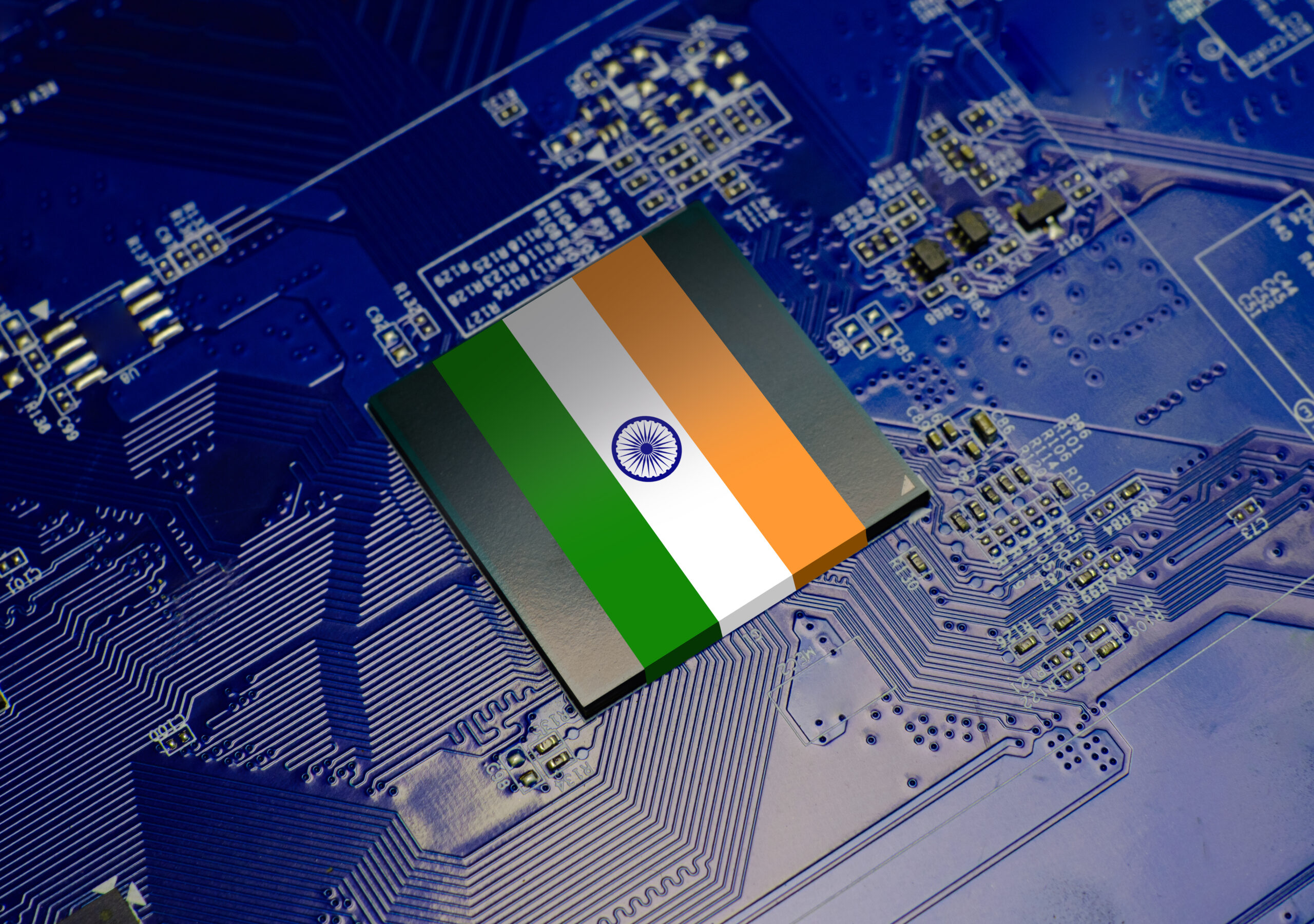
Securing India’s Digital Infrastructure

India’s infrastructure landscape is becoming increasingly digital. Engineering drawings move across cloud platforms. Project dashboards update in real time. Financial systems, design models and stakeholder communication are interconnected across cities and even continents. As the nation builds faster and smarter, information becomes one of its most valuable assets. Protecting that information is no longer a technical task delegated to IT teams. It is a strategic responsibility. This is where information security frameworks such as ISO 27001 play a defining role.
The Scale of India’s Digital Exposure

India is one of the fastest growing digital economies in the world. With over 900 million internet users and rapid adoption of digital public infrastructure, data creation and exchange have reached unprecedented levels. This expansion brings opportunity, but also risk. According to CERT-In, India reported over 1.4 million cybersecurity incidents in 2022 alone. Industry reports indicate that cyberattacks targeting Indian organisations crossed 260 million incidents in 2025, spanning ransomware, phishing and data breaches. At the same time, a recent Cisco cybersecurity readiness study noted that only about 7 percent of Indian organisations feel fully prepared to address modern cyber threats. The gap between digital growth and cyber preparedness is clear. For sectors connected to infrastructure, transport systems, urban planning, marine facilities and industrial operations, the implications are significant. Sensitive project data, geospatial information, financial documentation and regulatory submissions require structured protection. Information security is therefore directly linked to operational continuity and stakeholder trust.
What ISO 27001 Represents

ISO/IEC 27001 is the internationally recognised standard for establishing and maintaining an Information Security Management System. It provides a structured approach to:
- Identifying and evaluating information risks
- Implementing appropriate security controls
- Defining clear governance and accountability
- Monitoring system performance
- Continuously improving safeguards
The 2022 revision reflects the realities of cloud computing, remote collaboration and advanced cyber threats. ISO 27001 does not focus solely on firewalls or software. It covers people, processes and physical systems. Access control, vendor risk management, encryption practices, incident response planning and business continuity frameworks all fall within its scope. In essence, it brings discipline to how information is handled across an organisation.
Why It Matters for Infrastructure Organisations

Infrastructure projects involve multiple agencies, consultants, contractors and regulatory bodies. Data moves across networks frequently and often includes commercially sensitive, technically complex or strategically important information. A structured Information Security Management System ensures that:
- Access to information is controlled and documented
- Risks are formally assessed and mitigated
- Incidents are managed through defined response protocols
- Leadership remains accountable for governance
This is particularly relevant in India’s evolving regulatory environment, where compliance expectations are strengthening and digital collaboration is increasing. Information security also supports long term business resilience. A single breach can disrupt project timelines, expose confidential plans or erode client confidence. Proactive risk management reduces that exposure.
Information Security as National Responsibility

India’s infrastructure expansion under initiatives such as the National Infrastructure Pipeline, Bharatmala and Sagarmala is reshaping the country’s economic backbone. As these systems become digitally enabled, cyber resilience becomes part of national resilience. Securing information protects more than organisational assets. It safeguards public trust, economic momentum and the integrity of critical systems. In a country advancing confidently toward a trillion dollar digital economy, strong information governance strengthens the foundation of progress.
Pentacle’s Commitment

At Pentacle, infrastructure consulting is built on responsibility as much as expertise. As projects become increasingly data-driven, information protection is treated with the same discipline as engineering precision. Aligning with internationally recognised standards such as ISO 27001 reflects a structured approach to safeguarding project information, strengthening governance and ensuring continuity. It reinforces the belief that progress must be supported by reliability at every level — physical and digital. Sustainable infrastructure requires secure systems. Trusted partnerships require protected information. As India continues to modernise its infrastructure landscape, information security will remain central to building systems that are resilient, responsible and ready for the future. Because in a digital nation, protecting information is part of protecting progress.